Evergreen Indulgences

As the world outside settles into the chilly depths of winter, many of us gather in our kitchens creating cozy sanctuaries of warmth and comfort.
What better way to celebrate the season than by letting the array of evergreen herbs breathe vibrancy and freshness into our cold-weather cooking? These perennial garden champions don’t just lend flavour to a dish; they’re packed with health-promoting benefits that are especially soothing during the chillier months.
Evergreen herbs are defined as hardy, perennial plants that retain their green foliage throughout the year. Most evergreen herbs, such as rosemary, thyme, sage, or bay laurel, originated in the Mediterranean and share a love of sun and well-drained soil.
Though they do well outside, evergreen herbs are also amenable to being grown indoors in pots near a sunny window. Unlike their tender annual counterparts, such as basil or cilantro, an evergreen herb’s ability to withstand colder temperatures makes them perfect for winter harvesting, offering a vibrant burst of green colour and a fresh dose of flavour when gardens are otherwise dormant.
Beyond their many nourishing health virtues, evergreen herbs are perfect for celebrating the season’s aesthetics. Their glossy, evergreen leaves bring a pop of living greenery to tables, centerpieces, and plates when most plants lie dormant. Rosemary sprigs woven into wreaths, sage leaves adorning platters of food, thyme garnishing a festive drink—these are the textures, scents, and visuals that elicit joy and comfort.
By embracing evergreen herbs in recipes this season, you’re not just cooking; you’re cultivating wellness, warmth, and a sense of celebration.
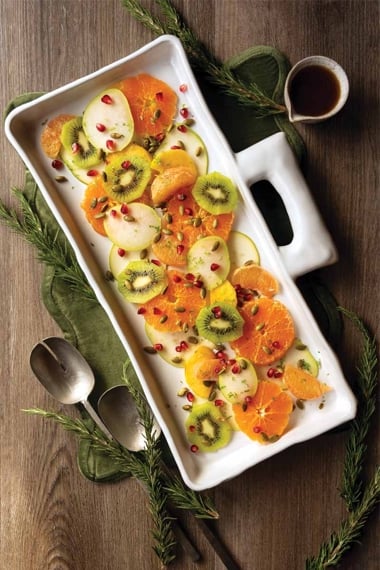
This refreshing winter fruit salad makes a satisfying accompaniment to breakfast or a great pack-and-go snack. Rosemay and juniper are often paired together as rosemary’s herbaceous, slightly peppery notes enhance the piney and citrusy character of juniper berries. The rosemary juniper syrup is versatile, too: perfect for a cocktail or for adding a touch of sweetness to your next coffee or tea.
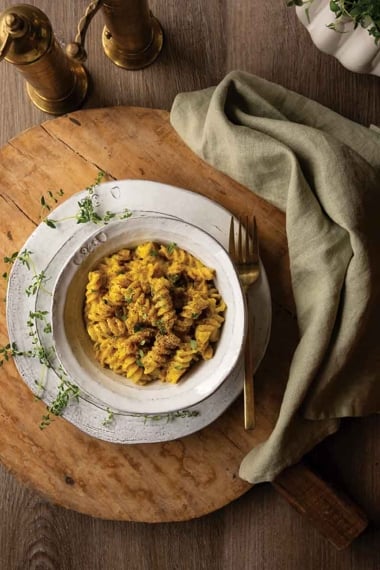
Fresh, fragrant, and ready all year long to elevate even the simplest dish, thyme is always in season. In this creamy, lemony pasta, thyme adds a subtle earthiness that brightens the rich sauce and brings balance to every bite. There’s also a secret ingredient that adds a silky richness to the sauce without the need for vegan cream or butter―corn!
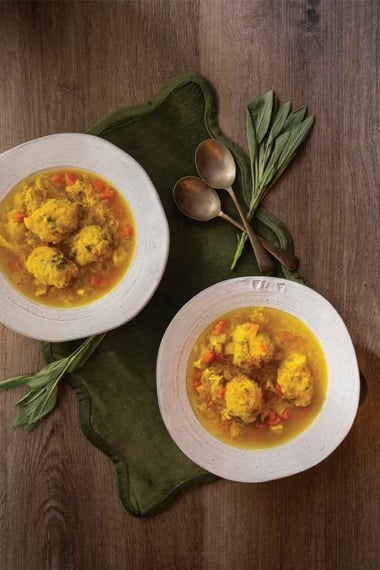
This play on a comforting bowl of chicken soup is the ultimate cold weather comfort dish. Sage stars in this dish, speckling fluffy dumplings that add a textural contrast to the aromatic broth. Most sage found in grocery stores is classified as Common Sage, though there are many varieties, both edible and ornamental. Sage’s ability to stay green year-round is thanks to its aromatic oils and the tiny hairs on its leaves, which minimize water loss and allow the plant to endure wintery weather.

This woodsy, one-pan meal feels like something you’d cook over an open fire—but comes together easily on the stovetop. The pine needles infuse the fish with a gentle, woodsy aroma, balanced by buttery potatoes, tender kale, and a bright, winey broth. If pine boughs aren’t within reach, feel free to substitute a mixture of other evergreen herbs as the base of this dish.
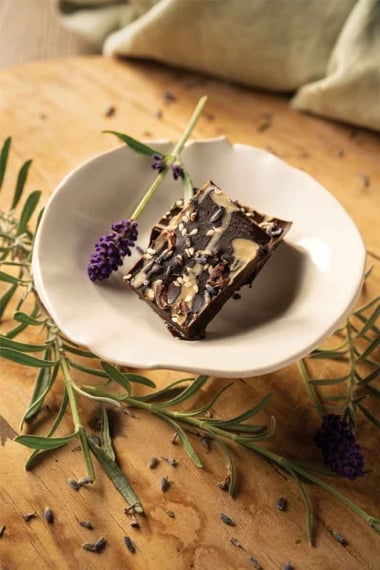
Lavender isn’t just for spring—it’s an evergreen herb that brings year-round beauty and flavour to your kitchen. This no-cook fudge recipe is a great example of its diversity. Lavender is gently infused throughout, giving it a kiss of floral flavour. To solidify its standing as a main ingredient, lavender can also be used as a garnish. Lavender contains the compound linalool, which has been shown to help reduce anxiety and promote relaxation, so this fudge might just boost your mood ― and your dessert game.
This collection was originally published in the December 2025 issue of alive magazine.