
Advertisement
Natural Light as an Essential Nutrient
Why we need to rethink our relationship with the outdoors

Fact-Checked
This article has been written and fact-checked by experts in the field.
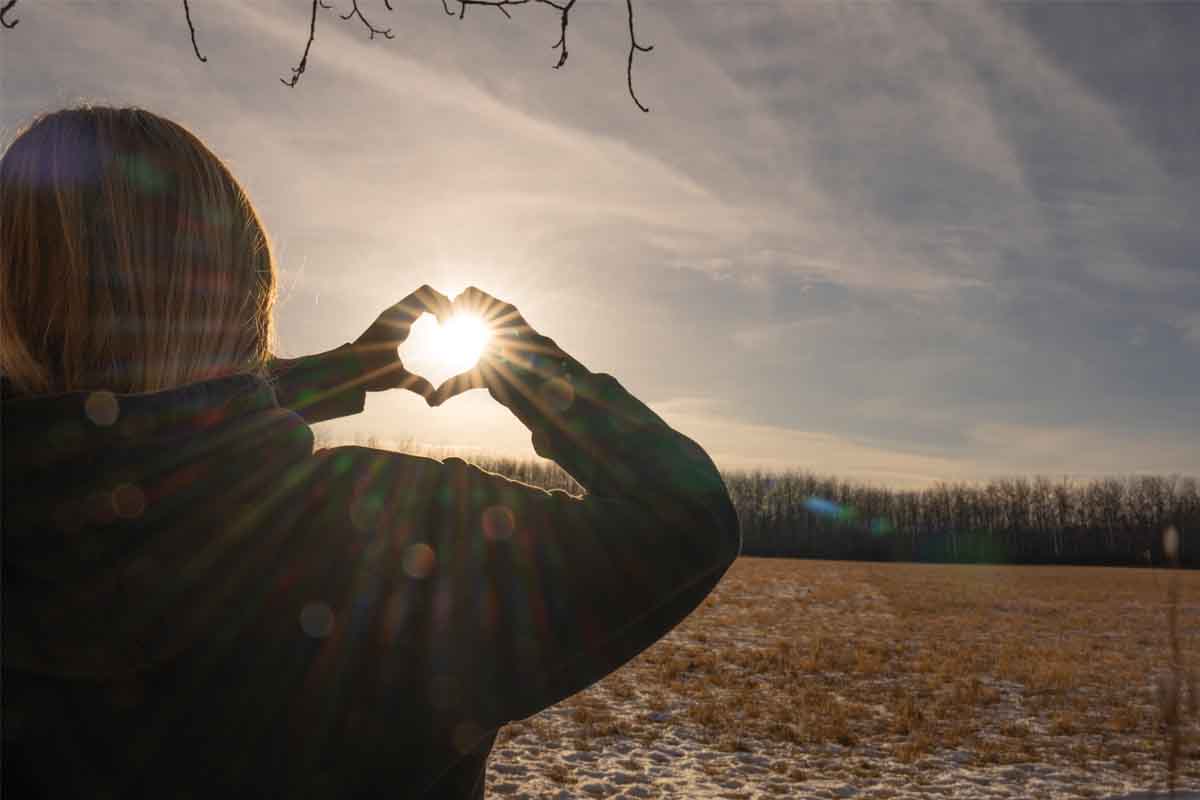
Every human who has walked the Earth has at some point stopped to gaze into the sunset, knowing that darkness will only last until that first light of the next day. Thousands of years later, we still can’t help but be moved by the display of sunset colours or feel energized by a bright, sunny morning.
Yet beyond the dazzling colours of each sunset and refreshing sunrise, natural light has been deeply entwined with our existence, regulating our circadian rhythm, which influences sleep patterns, hormone release, appetite, and digestion as well as, indirectly, our metabolic health, temperature, and immune function. Oh, and our mood too!
Advertisement
Naturally bright is ideal
From the tiniest, simplest organisms to complex mammals (humans included), life on Earth has followed a reliable alternation between day and night. This cyclical exposure to natural light orchestrates the circadian rhythm. This internal clock is on a 24-hour cycle (roughly), and it has a big say in how our bodies work, from general physiology to metabolism and temperament.
Natural light, the biggest controlling factor for our internal clock, also influences the pineal gland in the brain, which is responsible for secreting melatonin, known as the “sleep hormone.”
Advertisement
Humans and sunlight go well together
In fact, we have since the beginning of time. A good night’s sleep followed by morning exposure to natural light (even on an overcast day) can help regulate not only our sleep pattern but also our appetite, body temperature, and mood.
“I think we can refer to natural light as essential for health,” says Glen Jeffery, professor of neuroscience at University College London. “Absence of natural light will not kill you, but it is likely to reduce the efficiency of your metabolism, among other things.”
Moreover, exposure to natural light enhances focus and mental alertness.
Then there is the vitamin-D connection. When ultraviolet-B radiation penetrates the skin, it initiates a process that transforms a precursor molecule into vitamin D3 (a steroid hormone), which is crucial for bone health, optimal immune function, and brain development.
The recommended daily amount for adults is 600 international units (IU), or 800 IU for those over 70, and can be achieved with safe sun exposure (limited amounts in the early morning or late afternoon), consumption of vitamin-D enriched foods, and, if needed, supplements.
Strategies for the darker months
- Consume a variety of whole foods that are high in polyphenols (such as vegetables, fruit, and whole grains). Coffee (caffeinated and decaf) and black and green tea all contain various amounts of beneficial polyphenols. These compounds have antioxidant and anti-inflammatory properties and may be associated with a lower risk of depression.
- Aim to consume healthy sources of omega-3 fatty acids from nuts, seeds, and fatty fish. While supplementation with omega-3s is contested for preventing depression, it may have a place in supporting brain health and cognition.
- Magnesium can help reduce depressive symptoms during the cold, low-light months.
- Adequate levels of B vitamins are associated with a lower risk of depression and mood disorders.
- Low levels of vitamin D have also been linked to seasonal depressive symptoms.
Advertisement
Dim it down for better sleep
Bright lights in the evening, as well as the use of electronics, can have a negative physiological impact. Studies involving older adults showed a higher risk of obesity, insulin regulation, and dyslipidemia (atypical levels of fats in the blood) with light at night.
People who are exposed to light during night hours or in the late evening are also prone to weight gain, and they can also experience disrupted melatonin levels (which naturally increase as darkness falls, inducing sleepiness). There is also a strong association between outdoor artificial-light exposure and obesity.
Moreover, brain activity increases when we are exposed to bright artificial light at night, and sleeping with some level of lighting makes for shallow sleep and frequent awakenings.
Advertisement
Indoor life has its downsides
On average, people spend over 90 percent of their time inside, insulated from sunlight by walls and screens. Artificial lighting, though convenient, cannot mimic the intensity or spectrum of natural light. “Reduced exposure to natural light in favour of indoor artificial lighting can have an impact,” says Jeffery. “All-cause mortality is significantly lower for those who spend significantly more time in sunlight than in the built environment.”
On the other hand, seasonal affective disorder (SAD) is an illustration of how diminished levels of sunlight in the winter can cause depressive symptoms, lethargy, and loss of appetite. Full-spectrum lighting can help reduce the severity of SAD, while vitamin-D supplementation is less conclusive.
Advertisement
Practical steps to brighten your days
Make natural light part of your morning routine. Or, as Jeffery says, “Go for a walk in the park.” It will benefit your brain health and mood, too, even on an overcast day.
If possible, opt for a home with large windows, and use blackout curtains for sleeping spaces. Install dimmer switches, and use warm, soft, glowing light in the evening to avoid interfering with melatonin production. Make it non-negotiable to put your mobile device away at least one hour before sleep.
Ultimately, think of time outdoors as you do of essential nutrients: Not too little, not too much (especially during peak hours on summer days) and a part of your daily routine. Rain or shine.
Sunniest places to be
- The three sunniest places in Canada are all in Alberta: Medicine Hat, Lethbridge, and Suffield.
- The sunniest places in North America are both in Arizona: Yuma and Phoenix.
- Aulavik National Park, which is situated on Banks Island in the Northwest Territories, dazzles visitors with a 2,500-hour “day.”
This article was originally published in the January 2026 issue of alive magazine.