

Advertisement
Third Places for Winter Wellness
Staying active and connected through the colder months

Fact-Checked
This article has been written and fact-checked by experts in the field.
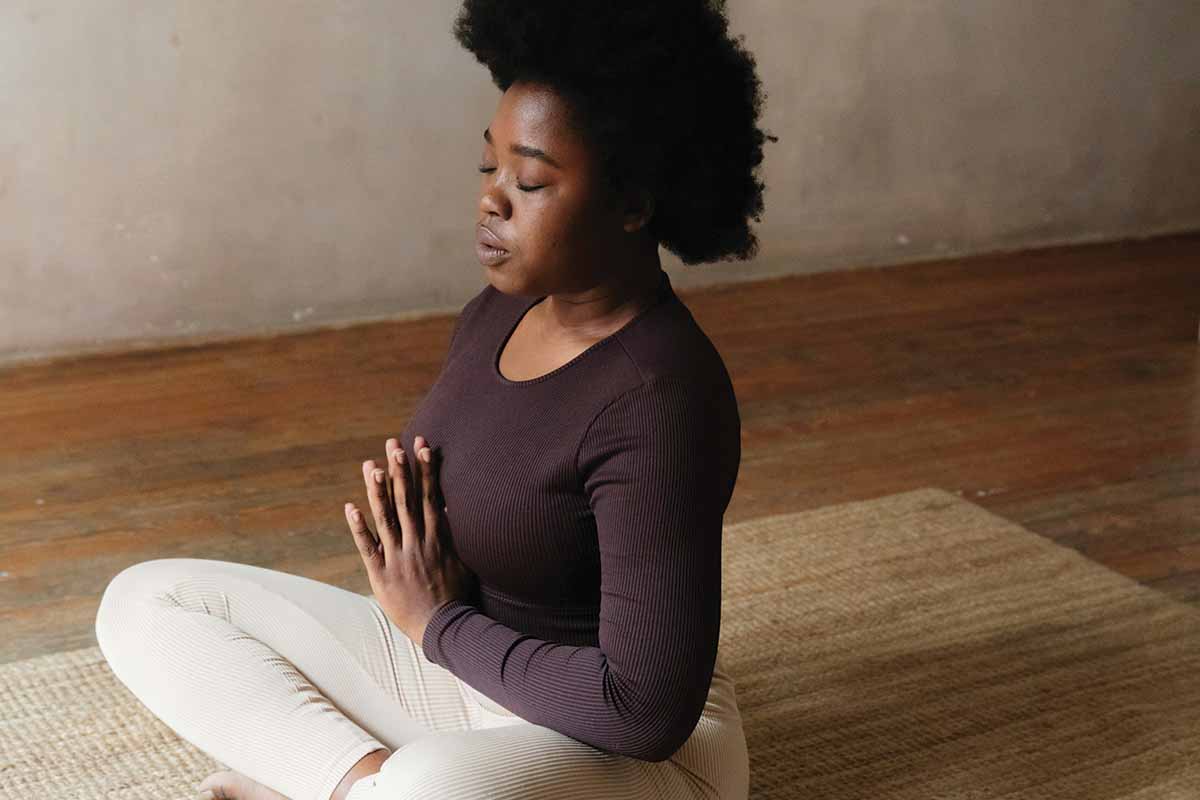
When the daylight hours shorten and the temperature dips during winter, you may feel the urge to curl up in a cozy spot at home until spring arrives.
Resist that urge: regular physical activity is essential for overall health and wellbeing—but it’s not the only area worth strengthening during the colder months.
“Community is vital to everyone, any time of the year, no matter where you live,” says social scientist Kasley Killam.
She points to research showing that our relationships influence not only our happiness, but also our health and how long we live. Just look at the COVID-19 pandemic, where strong social connections helped people adapt and cope.
“Whether we’re facing a pandemic or a long, cold winter, the relationships we have are a powerful source of resilience,” says Killam.
Join In
If you struggle to socialize, try doing what you love … with others. That might mean taking a group yoga class instead of practicing at home by yourself, or joining a hiking or snowshoeing group. Check with your local recreation center for group activities that align with your passions!
Advertisement
Winter health doldrums
Approximately two in five Americans report a drop in mood during winter. This can include feeling depressed or isolated from family and friends, or losing interest in things you normally enjoy. In addition, about 5 percent of US adults experience seasonal affective disorder (SAD), a type of depression linked to brain changes due to less sunlight exposure in the winter.
Isolation and loneliness aren’t just emotionally painful—they’re linked to depression, anxiety, sleep difficulties, cardiovascular problems, and even a higher risk of early mortality.
“To prevent winter depression, I assess my patients’ plans to stay socially connected and physically active when temperatures start dropping,” says Drew Ramsey, MD, psychiatrist and psychotherapist.
Winter heart health
Getting outside in the winter can boost your mood, but cold weather can affect the heart, especially if you have cardiovascular disease. Many people aren’t used to the physical demands of vigorous activities. Even shoveling snow or walking through heavy, wet snow can strain some people’s hearts.
Here are a few practical tips to keep you safe while enjoying outdoor winter activities:
- Take frequent breaks so you don’t overstress your heart.
- Avoid alcohol before or immediately after doing physical activity outside in the cold.
- Dress in warm layers, including a hat, to prevent hypothermia.
When the temperature dips too low, gyms and yoga studios can provide a safe place to exercise. In addition to protecting heart health, these spaces provide opportunity for social connection during the colder months.
Advertisement
Connection in motion
While the shift to winter can be hard, research suggests that having stronger social connections can protect people from depression. Other evidence also shows the opposite: people with better mental health are more likely to have healthier relationships.
Similarly, studies found that regular physical activity improves mental wellbeing and psychological resilience. Many types of exercise, including jogging, strength training, and yoga, can relieve symptoms of depression.
While you can exercise and socialize separately, combining them may boost your mood even more during the winter. That’s where “third places” come in.
Green third places
Some research has found that third places, by fostering social interactions, offer mental health benefits similar to natural spaces like parks and forests. So why not turn those outdoor spots into places to move and connect? With warm layers, you can keep socializing—even as the snow falls.
Advertisement
Finding the third place
A “third place” is a community setting, outside of the home and work, where people spend time. Third places offer the opportunity to connect, engage in conversation, and build a sense of belonging.
Coffee shops and bars may be the most well-known third places, but your local park, gym, yoga studio, or bowling alley can also foster community.
“More often I see friends deepening their social connections at third places like rock climbing gyms, yoga studios, and sober dance parties,” says Ramsey. “People are more excited about saunas than bars these days.”
Research suggests that third places can enhance social interactions among people, which leads to better mental health. Gyms, yoga studios, and similar places have an added benefit: encouraging you to move and keeping you accountable for your workouts.
While you may not always have deep conversations at the gym, Killam says casual relationships are still important. “Light-hearted connections help you reach a baseline level of social interaction,” she explains, “and feel like you’re part of the local community.”
In addition, “people who have more diverse interactions tend to do well,” she adds. This could include family dinners, interacting with co-workers, chit-chatting at the gym, or saying hello to the bus driver.
By staying active and socially engaged—even in colder months—you’re not just getting through the long days of winter, you’re building resilience, community, and long-term well-being.
Soothing the heart
Feeling nervous in new social settings is common. But left unchecked, anxiety, including social anxiety, can increase the risk of cardiovascular disease. Thankfully, certain supplements can relieve anxiety while also supporting heart health:
This article was originally published in the Jan/Feb 2026 issue of alive magazine (US edition).