
Advertisement
Climate Change-Fighting Zooplankton
Trillions of tiny ocean animals are saving our planet

Fact-Checked
This article has been written and fact-checked by experts in the field.
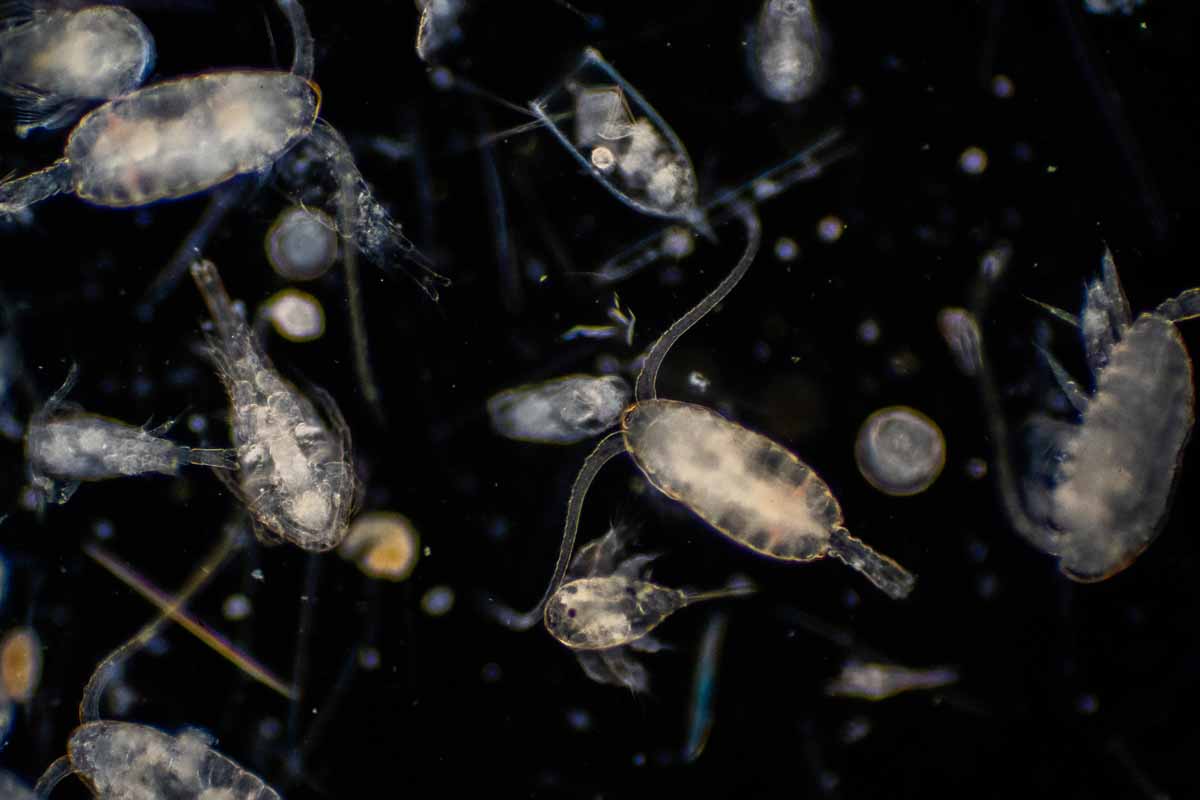
Atmospheric carbon dioxide levels are the highest they’ve ever been, putting a flame to our climate change kindling. The ocean may hold a secret superpower to counteract this trend: microscopic creatures called zooplankton. You can’t see them with the naked eye, but these minuscule animals are busy removing 65 million tonnes of carbon every year from our air.
Our Great Bear Sea
The Great Bear Sea stretches along most of BC’s coast. A ground-breaking project finance for permanence (PFP) initiative has brought together the provincial government, the federal government, and 17 First Nations to monitor and protect this vital area.
Where it is
Once it’s fully implemented, this Indigenous co-governed area will protect a third of the Great Bear Sea and incorporate science-led management with traditional Indigenous wisdom.
What it does
The multi-million dollar investment will safeguard precious marine habitats and restore fisheries, all key to the health of zooplankton and the broader ocean ecosystem.
Why it matters
The Great Bear Sea is one of Canada’s richest, most ecologically diverse ocean systems, hosting not only zooplankton, but also hundreds of marine mammals, fish species, and vibrant reefs.
Advertisement
Meet our tiny heroes: zooplankton
“Zooplankton are small, drifting animals,” says marine biologist Liberty Boyd, PhD. That includes dense swarms of krill (small shrimp-like crustaceans), jellyfish, and worms, plus young fish larvae.
“They’re the crucial link between phytoplankton, which are tiny plant-like organisms, and larger marine life such as fish, whales, and seabirds,” says Boyd.
In the dark of the night, zooplankton bubble to the surface to feed. As the sun rises, they dive a thousand metres back down into the ocean’s depths. Their daily journey makes up the largest migration of animals on earth, and this migration plays a surprising role in how our planet responds to rising carbon dioxide levels.
Grazing on plastic
As ocean pollution rises, zooplankton graze on microplastics instead of phytoplankton. This is causing widespread reductions in the ocean’s carbon-capturing abilities and reduces ocean oxygen levels.
Advertisement
The ocean’s carbon defence system
The ocean absorbs 30 percent of the earth’s carbon dioxide and produces 50 percent of our oxygen, leading the United Nations to call it our “greatest ally against climate change.”
And while the Southern Ocean, which encircles Antarctica, is just 15 percent of the world’s oceans, it’s here that you’ll find some of the most abundant populations of zooplankton. This single area makes up 40 percent of the ocean’s carbon capture, and much of that may be due to these tiny creatures.
“Zooplankton regulate climate via what’s called the biological carbon pump [as they feed on phytoplankton],” explains Boyd. “Phytoplankton take in carbon dioxide and transform it into oxygen through photosynthesis, then the zooplankton [eat the phytoplankton and] produce carbon-rich waste.”
“Zooplankton effectively transport atmospheric carbon dioxide deep into the ocean into long-term storage. The scale at which this happens makes this natural process a key component in moderating global carbon levels and is a key buffer against climate change,” says Boyd
The problem with trees
Development is wiping out urban tree cover. According to the US Department of the Environment, the amount of carbon American cities’ trees remove from the atmosphere is projected to drop by 180 million tons a year in the next few decades. Even the Amazon rainforest—which traditionally absorbs 25 percent of the earth’s CO2—has been affected by development and cattle ranching, absorbing 30 percent less carbon than it did in the ’90s.
Advertisement
Be a zooplankton guardian
Our recognition of the importance of zooplankton for combatting global warming is relatively new, and an important reminder that we all have a responsibility to protect the environment for ourselves and future generations.
Environmental risks to zooplankton have doubled in the past few years, largely due to pollution, warming oceans, and water acidification. Rising levels of microplastics in water are a prime example.
“Reducing the consumption of single-use plastics is a simple task that almost everyone can do to help the ocean,” encourages Boyd. “Plastic waste in our oceans leaches harmful toxins and can [harm zooplankton and other marine life].”
She also recommends supporting sustainable, ethical seafood. Healthy fish populations are part of the ocean’s life cycle: many zooplankton are juvenile fish, and older fish feed on zooplankton to flourish.
Finally, if you use health or beauty products containing krill, look for a Marine Stewardship Council certification or other third-party verification that the product was harvested sustainably.
“The ocean serves as a carbon sink and oxygen producer, and captures most of the excess heat in our atmosphere,” says Boyd; we must do all we can to protect these tiny animals—and our waterways—that have an outsized role in our planet’s climate defence system.
Zooplankton versus cars
Zooplankton are so efficient at removing atmospheric CO2, it’s like powering nearly 39.5 million homes with electricity or taking more than 18 million cars off Canada’s highways each year.
High tech meets high seas
The ocean covers much of the planet yet remains mostly unexplored. Technology is pulling back the curtain and helping researchers understand our fragile marine ecosystems.
Zooplankton galaxy monitors
Governments use space-based spectroradiometers that track changes in sunlight reflection to monitor zooplankton movement, and NASA recently launched a specialized plankton-tracking satellite.
Environmental DNA (eDNA) tracking
As zooplankton migrate through the water, they leave behind genetic material. Researchers can now extract DNA from water samples to map out zooplankton populations and track their health and patterns.
AI-powered marine sensors and drones
Artificial intelligence (AI) has taken our world—and now our oceans—by storm as a way to track data, recording water temperatures, acidification levels, and even helping to identify specific species of plankton.
This article was originally published in the December 2025 issue of alive magazine.