
Advertisement
Dance Into Sunnier Days
Bust a move and beat the winter blues
Fact-Checked
This article has been written and fact-checked by experts in the field.
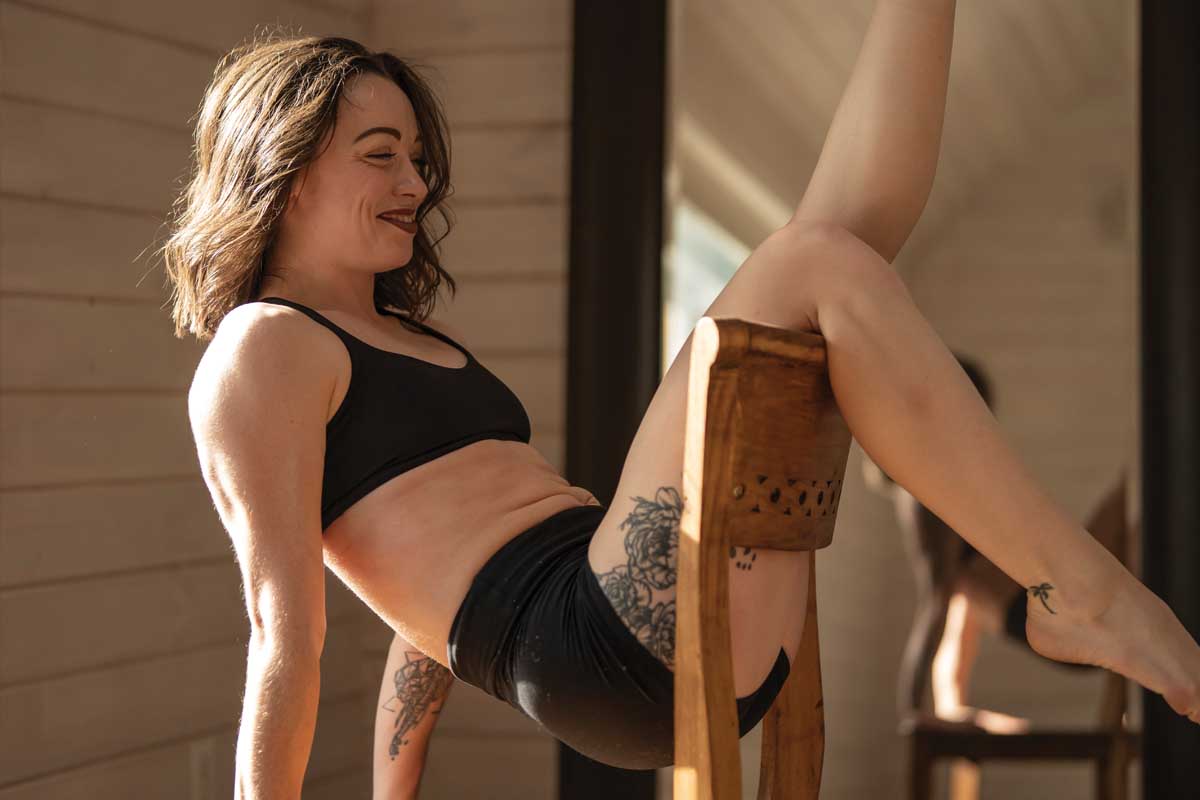
Anyone living in Canada—even the most joyful and resilient—knows how the dreariness of winter can weigh on our well-being. By the time March rolls around, we’re more eager than ever to welcome spring—and dancing might just be the key to feeling the warmth a little earlier.
Advertisement
All are welcome
Think you can’t dance? Think again. Dance has always been part of the human condition; even infants communicate with movement and rhythm before they can speak.
“Dance is movement, and movement is something that we do all the time,” says Julia Ray, founder of Ecstatic Dance Toronto, a weekly sober dance party. “Your body knows how to do this.” If the pressure to look “cool” while doing it is holding you back, the plethora of health benefits that it offers may be enough to entice you onto the dance floor.
Bringing dance into daily life
There are several ways to bring the magic of movement into your day-to-day life. “Just put some music on and dance around your living room,” says Marlene Stirrett-Matson, dance movement therapist. Alternatively, “you can take online classes, social dance classes with your partner in whatever form excites you, or go to an ecstatic dance event.”
Advertisement
Dance on the brain
Studies have found that a single one-hour session of dancing reduces depression scores. Like other exercises, it releases endorphins, but that’s not all that’s at play here.
Music and dance are intrinsically linked, and pairing the two is like a pleasure double whammy: the predictive element of music activates the brain’s reward centres, while dance stimulates its sensory and motor circuits. This is why, compared to other activities, it creates longer pleasure, leading some to literally dance the night away.
Advertisement
Cognitive longevity
Dancing has also been found to reduce the risk of dementia and support people with Parkinson’s disease by boosting dopamine and creating new neural pathways, which increases neuroplasticity. People with Parkinson’s also tend to walk and speak better if they have a steady rhythmic cue, and for those with dementia, certain songs can stimulate memories.
Advertisement
Dance as therapy
Dance Movement Therapy (DMT) is a type of psychotherapy that integrates movement and dance to offer patients an alternative form of expression.
“Everything that’s ever happened to us is somewhere in our bodies,” says Marlene Stirrett-Matson, dance movement therapist and president of the Dance and Movement Therapy Association in Canada. “It’s stored there as a memory, as a trauma. We work with clients to uncover memories and process them with movement.”
Because it doesn’t rely on words, DMT enables patients to access unconscious feelings, break through cultural and linguistic roadblocks, and work through issues that are difficult to articulate.
Advertisement
Step into strength
In addition to all the positive effects it has on the brain, dancing is also an excellent way to get your steps in, even when the sidewalk is covered in snow. Studies have shown that dancing, regardless of which style, can greatly improve your muscular strength, flexibility, endurance, and balance.
Find your own beat
If dancing isn’t your groove, don’t fret! There are many forms of exercise that can boost your mood by lowering levels of stress hormones and releasing endorphins. Whether it’s going for a walk or run, doing tai chi or yoga, or playing a team sport, “any kind of activity that gets people moving, that they enjoy, that they’re interested in is going to be beneficial,” says dance movement therapist Marlene Stirrett-Matson.
Advertisement
Keep it moving
Dancing can also be particularly beneficial for our bodies as we age, helping maintain mobility, supporting healthy joints, and promoting overall physical well-being.
For those with reduced mobility, dancing can still be accessible. When planning a session, “you build upon the movement in the room,” says Stirrett-Matson. “People can dance from sitting, standing, lying down, anywhere they feel comfortable and safe.”
Advertisement
Community connection
When dancing is performed with others, whether in a group setting or between two partners, the benefits aren’t just within but <between>. Sharing movement with others creates connection, joy, and a sense of belonging. Moving together can synchronize energy and mood, strengthen social bonds, and make wellness a shared experience.
“The dance itself is such a powerful elixir … that’s natural and rooted in health and wellness,” says Ray. “We’re born with everything that we need to thrive, and the dance floor is one of these spaces that shows us that.”
Natural helpers for achy joints
Here are some supplements to help keep your joints moving and grooving:
This article was originally published in the March 2026 issue of alive magazine.