

Advertisement
Finding Belonging in Third Places
From cafes to community centers to parks, third places help us unwind, build community, and feel less alone

Fact-Checked
This article has been written and fact-checked by experts in the field.
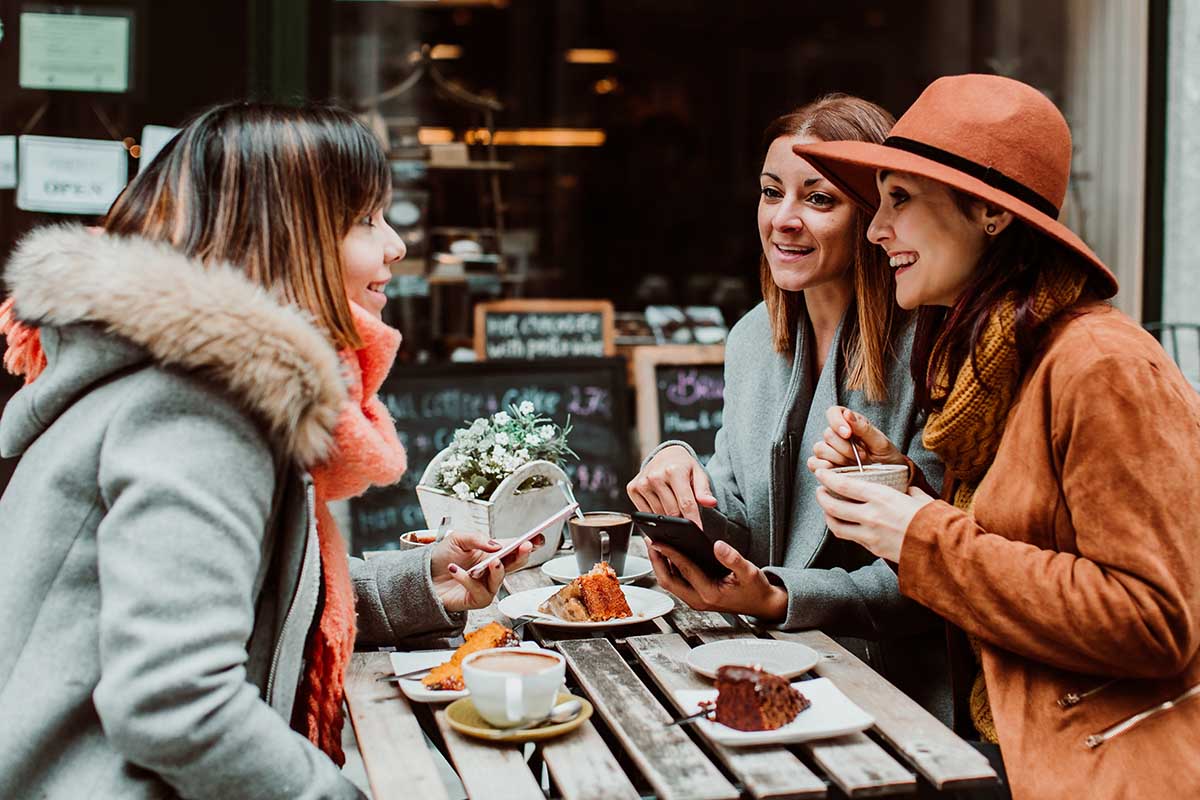
As an introvert, fall means curling up under a blanket, book in hand and comfort show on. But sometimes I catch myself wondering: when’s the last time I left the house to just be around people? It turns out your local cafe or community garden might be doing more for your mental health than you think.
Advertisement
Places with purpose
Coined by sociologist Ray Oldenburg in the 1980s, the term “third places” refers to gathering spots we spend time in beyond home (our first place) and work (our second place). These are casual, everyday spots where people can linger, chat, and feel a part of something. Think coffee shops, community centers, yoga studios, hair salons, bookstores, or even a simple park bench. The ideal third places are informal, welcoming, and accessible to everyone.
Advertisement
Loneliness and long-term health
Third places aren’t just about grabbing coffee. Research shows that people with strong, regular social connections are likely to live longer and healthier lives. We need them more than ever to combat loneliness, which is increasingly flagged as a serious health concern. The 2021 census shows that more than one in 10 people in Canada aged 15 and older are always or often lonely. In a 2023 advisory, former US Surgeon General Vivek Murthy, MD, MBA even warned of an “epidemic of loneliness and isolation.”
Loneliness is more than just “feeling bad.” When we experience loneliness, it triggers many of the same stress-response systems our brain uses when we’re afraid or in physical danger. Over time, constant stress can take a toll on our mental health, raising the risk of issues like depression, anxiety, and dementia. The physical impacts are just as serious: research suggests that loneliness and isolation can rival obesity and smoking, increasing the risk of heart disease, high blood pressure, type 2 diabetes, stroke, and a weaker immune system.
Advertisement
Shifting and shrinking spaces
What happens when third places start to disappear? The COVID-19 pandemic blurred the boundaries between home, work, and community, and these days, we’re spending more time alone and less time with others in person. While screens and social media help us stay connected, they don’t fully replace the feeling of being in the same room with someone. When we gather in person, we engage all five senses and pick up on subtle, nonverbal cues—like body language, eye contact, and tone of voice.
Advertisement
Free and familiar
Now, with Zoom calls replacing face-to-face conversations, rising costs closing stores, and even coffee chains like Starbucks scaling back locations, it feels harder to find affordable gathering spaces—but building social connection doesn’t have to cost you $7 for a latte. Some of the best third places are free or low-cost: libraries, parks, and community centers. And if you’re busy, you don’t need a brand-new routine. Instead, think of ways to involve others in things you’re already doing—like swapping your solo workout for a group boxing class or taking a scenic walk to your neighborhood grocery store.
Advertisement
Finding your fit
The “best” places depend on each person. They’re the places that you can drop by regularly on your way home and where you feel a shared sense of purpose or passion. A welcoming climbing gym, a dog park where you chat with other owners, or a regular book club can all count if they fit your interests and lifestyle.
Finding a third place
Not sure how to start? Here are a few easy ideas:
- Bookworm? Check out your local library’s book clubs.
- Want to push yourself athletically? Look up run clubs in your community.
- Looking to make a difference? Volunteer for a cause you care about.
- Want to learn a skill? Browse your local rec center’s programs for classes ranging from flower arranging to cooking.
- Indoor adventurer? Check your local games or hobbies shop for events like card or board game nights.
Advertisement
Beyond third places
Of course, third places aren’t the only solution. We can ease loneliness by staying active, eating healthy, volunteering, regularly reaching out to friends and family, participating in community groups and programs, or talking to a professional. Third places are just one piece of a larger toolkit to protect our well-being.
Advertisement
The bottom line
Connection doesn’t have to be complicated. Sometimes it’s chatting with your barista, sometimes it’s a walk with a friend, sometimes it’s joining the same group week after week. Third places remind us that even small moments of belonging make a difference—and that we’re not as alone as we think.