
Advertisement
Vintage Finds, Modern Impact
Flea markets are giving fast fashion the boot

Fact-Checked
This article has been written and fact-checked by experts in the field.
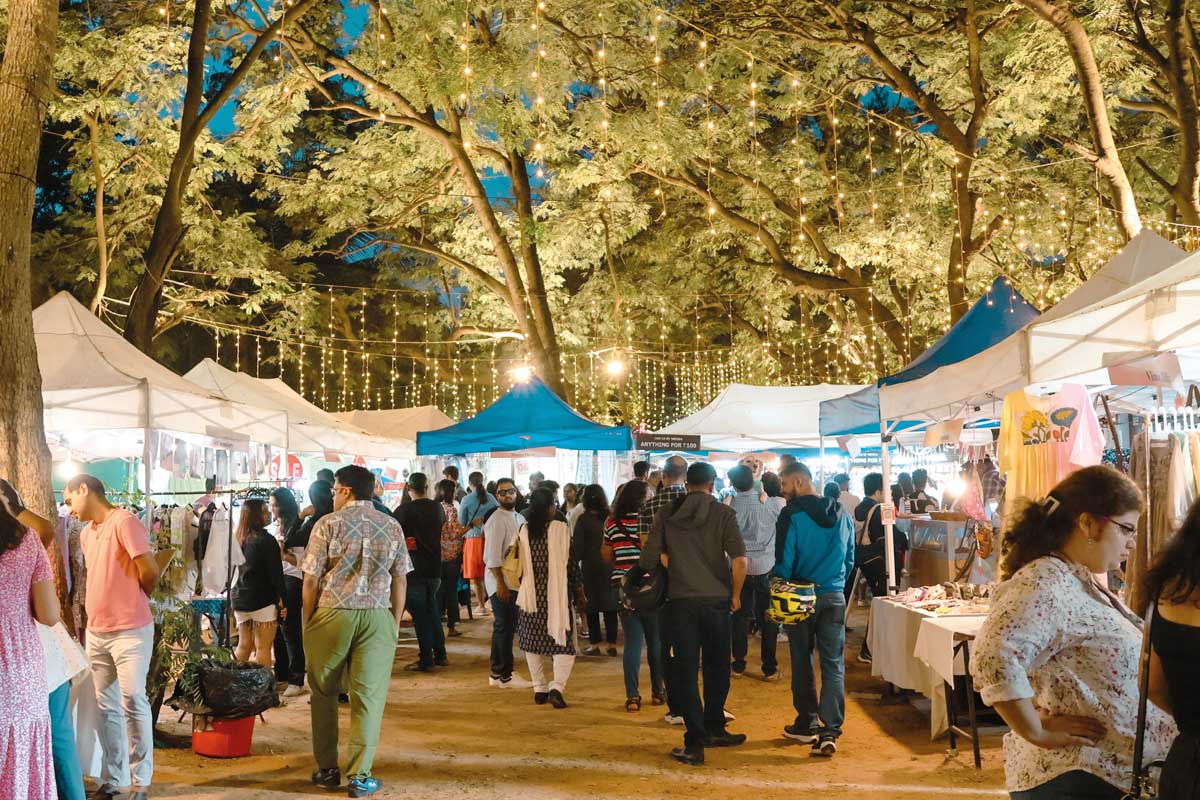
Once upon a time, flea markets got a bad rap. Largely confined to peripheral local outdoor spaces, they were perceived as dusty and decidedly undesirable. I recall a young friend some years ago expressing horror at the thought of “all that old dirty stuff—who’d want to even touch it?”
Well, we’ve come a long way, baby, as the old advertising slogan goes. From casual clusters of vendor tents on a Little League baseball field to the 127 Yard Sale that spans six states and 690 miles, flea markets are all the rage. Worldwide market size for flea markets in 2025 was valued at over $2 billion USD. Nowadays, these formerly old-school gatherings have become a vital part of local economies and a valuable tool in the struggle for environmental awareness and social responsibility.
As an added bonus, flea markets support local small businesses and foster a sense of community throughout the year. A regular gathering spot, they reinforce bonds among neighbors, create the opportunity for interactions among diverse groups, and encourage new friendships to form, thereby helping to establish a communal sense of well-being and support.
The younger generation in particular has embraced this eclectic and efficient form of recycling, perceiving it as an opportunity to express personal style and save the planet at the same time. A survey showed that 61 percent of Gen Z and Millennials consider themselves eco-conscious or sustainability-focused. So supporting and sourcing from flea markets can contribute to an overall feeling of purpose and accomplishment.
Good for you, good for the planet
Feeling stressed and anxious about the state of the environment? Promoting sustainability through your purchase of recycled items at a flea market can provide you with a sense of contribution and achievement while benefiting the planet.
In fact, research suggests that taking real, positive action on environmental issues—such as buying second-hand instead of new—can help reduce feelings of climate anxiety and even support better mental well-being. By choosing recycled items, you’re not just reducing waste: you’re reminding yourself that small acts do make a difference.
Advertisement
Clothing
The buzzword on everyone’s lips these days is fast fashion, low-cost clothing churned out at high speed to mimic whatever styles are trending. Fast fashion ravages the environment in numerous ways, including massive consumption of water, energy, and non-renewable resources, and the emission of greenhouse gases. Not to mention that every second, the equivalent of one garbage truck of textiles is landfilled or burned.
Who knew that a solution was hiding in a flea-market aisle? Clothing for every taste, size, and budget may be found in abundance. Looking for something warm? Here’s a stylish wool coat from the 1950s. Looking for something evocative? There’s a fringed vest with a 60s peace symbol emblazoned across the back. Something historical? Try on this WWII bomber jacket. Designers? How about these fabulous stilettos. And guys, that stack of t-shirts over there will cover your daily needs for years to come.
And the quality of older garments means they’ll last, unlike many modern iterations. Erica, a dealer who describes her personal style as “between high school art teacher and the TV show Dallas,” contrasts a $150 designer t-shirt she once purchased that fell apart after a few washings with “a well-made t-shirt from high school that I’m still wearing.” As another dealer told me, “You get quality merchandise,” and her satisfied customer concurred, “I’m here because I like the finer things, and I can find clothes that are in my budget.”
Advertisement
Furniture
Antiques, especially vintage furniture and retro decor, account for over half the sales at flea markets, and with good reason. Much of their appeal lies in their sturdy construction, quality materials, and singularity of style, but the benefits to the environment are even more impressive. Mass-produced “fast furniture” mimics the debits of fast fashion—lower quality, less sustainable and durable materials, and an average lifespan of about five years. Even well-made wood furniture has its drawbacks; the harvesting of wood contributes to deforestation and thus global warming and biodiversity loss. And discarded furniture in landfills amounts to over 12 million tons a year.
And oh, the spectacular finds you might stumble upon! A 19th century carved kneeler with needlepoint cushions for that odd corner in the hallway … a plush Art Deco couch for your new apartment … a classic 1950s Formica and chrome table and chairs for your newly renovated eat-in kitchen. As one dealer enthused with a sweeping gesture, “all destined to last a lifetime.”
Advertisement
Jewelry
Creating new jewelry involves the extraction of metals and gemstones, which contributes to habitat destruction, water pollution, and carbon emissions; and the manufacturing process consumes energy, generates waste, and can imperil worker safety.
All of that can be mitigated by purchasing vintage jewelry at your friendly neighborhood flea market. From fanciful fifties beaded necklaces to sculptural mid-century modern bangles to sumptuous Edwardian ruby and diamond brooches, you can find something to suit every whim and pocketbook. As one jewelry lover mused as she admired a Victorian cameo, “Beauty was never more rewarding.”
Advertisement
And more
Once you embrace the glories of recycled objects, the sky’s the limit. Your home will be filled with singular objects of great beauty and profound eclecticism, and you will have the satisfaction of knowing that you can display to the world your exquisite taste and your passionate commitment to sustainability.
Good for all
De-cluttering? Donating clothes and furnishings to a local charity is the way to go. Good for the planet, good for the community, good for the soul.
This article was originally published in the March-April 2026 issue of alive magazine (US edition).