
Advertisement
Destination Slumber
The rise of sleep tourism and why it’s here to stay

Fact-Checked
This article has been written and fact-checked by experts in the field.
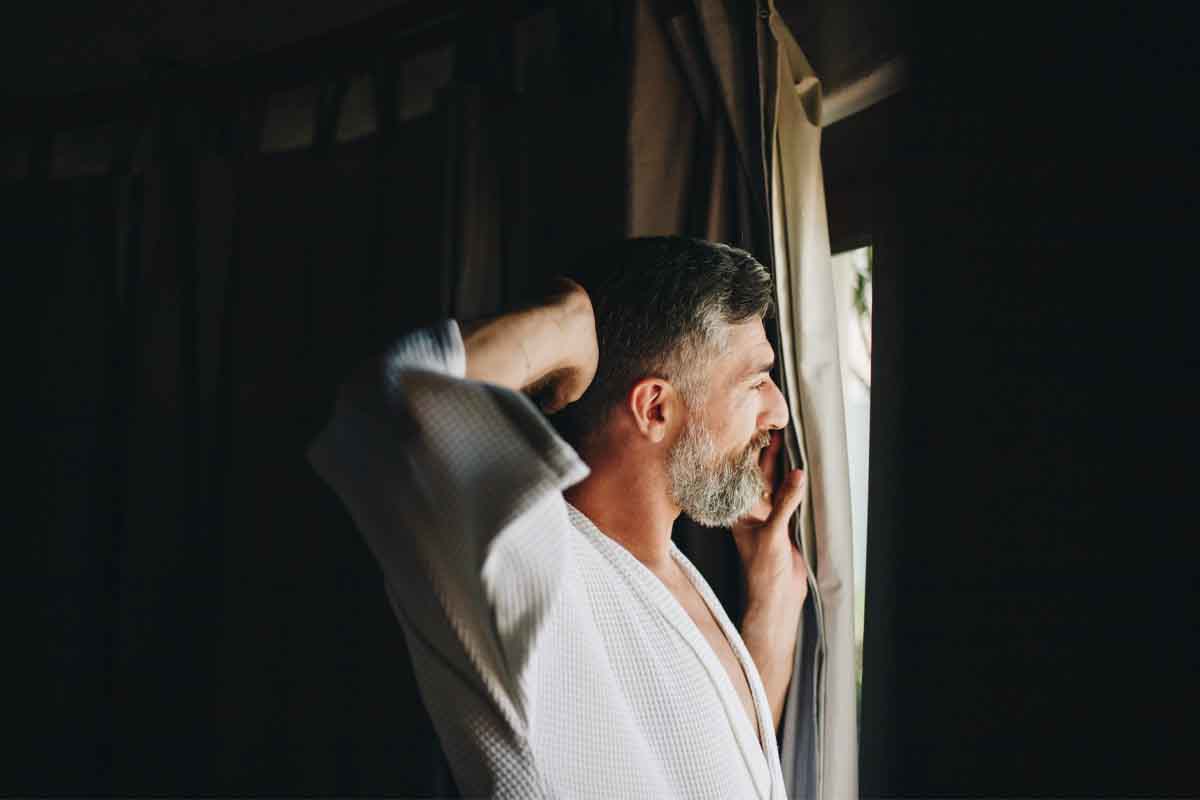
Adventurous excursions, sightseeing, and beach lounging aren’t what these travellers are after: for sleep tourists, it’s all about a good night’s rest.
Advertisement
The awakening of a sleep-centred era
The global sleep tourism market is on the rise, and researchers are forecasting more growth. In 2024, the market segment was estimated at US$74.54 billion and is projected to reach US$148.98 billion by 2030.
This uptick is driven by health and wellness trends along with an increase in sleep disorders and a rising sleep-deprived and stressed-out public.
A recent study surveyed a wide body of research on insufficient sleep worldwide. They characterized insufficient sleep as an under-recognized global public health epidemic.
The costs of this epidemic are high: not only is it linked to a high economic burden, but it’s also associated with an increased incidence of cardiovascular morbidity as well as diabetes, obesity, and vehicular accidents.
Sleep in short supply
One-quarter of Canadians aged 18 to 79 report problems with falling or staying asleep most or all of the time.
Advertisement
Picturing yourself on this vacation of dreams
The approach to sleep tourism differs from place to place. At Hilton’s Conrad Bali, guests are ensconced in cocoon-like hammocks to invite sleep, while at Lefay in Lake Garda, Italy, Eastern and Western approaches to medicine are used to promote sleep.
The Sleep Easy program at Longueville Manor on Jersey, one of the Channel Islands, features a consultation with a psychotherapist and sleep specialist, along with evidence-based tools and techniques including cognitive behavioural therapy for insomnia (CBT-I).
Others have also adopted amenities like pillow menus, white noise machines, black-out curtains, hypoallergenic bedding, and smart beds.
Here in Canada, the Mountain Trek Health Reset Retreat, nestled in the Kootenay mountains of BC, offers a week-long holistic health and wellness reset. Program creator, Kirkland Shave, says 50 percent of the guests are there pursuing rest as one of their top two priorities. Their programming is based on cutting edge research and guest experiences.
During their week-long stay, guests rise to the gentle sound of songbirds and light emanating from their bedside clock and their day’s activities can include yoga, hiking, health lectures, functional fitness, therapeutic massage, and guided relaxation sessions. Meals, too, are all thoughtfully considered―based on a nutritionist-designed, anti-inflammatory food plan.
Making the practices experienced at the retreat stick for guests with hectic lives is one of the primary goals at Mountain Trek. Guests draft a list of health objectives they want to turn into lifestyle habits. Then, they tackle one or two at a time when they return home.
Shave also offers continuing coaching post retreat. During the retreat, “They get the frequency dialed in until they’re a habit, like brushing teeth before bed,” says Shave.
Advertisement
Taking sleep home
Shave says that the number-one way to bring sleep back to modern society is by powering down our electronics. He suggests making incremental changes: start by avoiding devices 30 minutes before bed, then progress to one hour, with the goal to reach two hours. Research continues to show that those who use electronic devices before bedtime have poorer sleep quality compared with those who don’t.
At Mountain Trek, bedtime journalling is encouraged as a recurring activity. This can include writing a to-do list for the next day, listing three items of emotional or mental concern, or jotting down three thoughts of gratitude.
Advertisement
Spa tips for home
Emulating a spa-like atmosphere also primes the body for sleep:
- Soak in Epsom salts and lavender while sipping on chamomile tea.
- Tuck yourself into a comfortable bed with quality sheets, a supportive mattress, and an ergonomic pillow.
- Read something relaxing under an amber bulb.
If you’re working through a rough patch with sleep―whether it stems from work, home, or relational pressures―don’t stress, advises Shave.
“Just work little by little to keep tweaking lifestyle habits that sanctify sleep,” says Shave. “And then build your lifestyle habits around getting deep sleep. Ultimately, it’s one of the most important things for our lifespan.”
Supplements for a satisfactory snooze
Melatonin
Best known as a supplement for supporting sleep, melatonin may also help to reduce anxiety within preoperative contexts and to enhance recovery in athletes under specific conditions.
Valerian
This herb from the root of Valeriana officinalis is a long-used remedy for sleep problems thought to help reduce the amount of time to fall asleep and improve total sleep time.
Chamomile
Chamomile tea has been used for centuries to calm the nerves and induce sleep. Other potential benefits include improvement in cardiovascular conditions and immune system support.
Magnesium
In a recent study of 80 adults, magnesium use produced a significant improvement in sleep and daytime functioning, and a significant reduction in “grouchiness” as compared to placebo.
Passion flower
The effects of passion flower extract include stress management and the improvement of sleep quality in those with stress and insomnia.
This article was originally published in the December 2025 issue of alive magazine.