
Advertisement
The Art of Intentional Indulgence
Ways to mindfully enjoy food during the holidays

Fact-Checked
This article has been written and fact-checked by experts in the field.
The holiday season is full of magic―gift giving, special gatherings, festive decorations, baking, and all the little moments in between. It’s also full of delicious feasts and treats, which are often central to these celebrations. While holiday gatherings are full of good food and good company, indulging can bring feelings of guilt and anxiety for some.
But there are ways to enjoy eating throughout the holidays free of guilt and restriction.
Advertisement
Mindful eating
An effective and well-researched tool to use this holiday season, mindful eating involves eating while being present, aware, and nonjudgmental of food. It entails chewing food thoughtfully and tuning into the body’s sensations and cravings.
Research shows that eating slowly and taking deep breaths between bites activates digestive enzymes and helps break down food better. Chewing each bite around 30 times allows the body to fire internal signals to kickstart digestion.
Evoking other senses is also a critical part of mindful eating: this can include looking at the dish’s components and making note of its textures and smells while chewing and enjoying its taste.
Additionally, mindful eating involves listening to the body’s hunger cues. This can mean trying food when hungry but refraining from continuing to eat when full. Learning your body’s cues can help guide you through eating at holiday gatherings in a way that feels good.
Mindful eating not only helps with mindset, but it also helps with the physiologic effects stress can have on the digestive system. It can be beneficial since it modulates the stress-digestion connection―the relationship between stress and the gastrointestinal system. Mindful eating can reduce the effects stress has on digestion by calming branches of the nervous system.
Savour the flavour
Tasting food is an integral part of mindful eating. When eating at holiday gatherings, take time to pause and enjoy each bite. Making a mental note of the flavour can also help to slow down and appreciate each dish; for example, let a chocolate dessert melt on your tongue to appreciate the sweetness.
Advertisement
Feeding your senses
The holidays aren’t just about food. A great way to shift the focus away from eating is to engage the senses with appealing ambiance. A positive external environment can directly affect the nervous system by shifting it into parasympathetic dominance, which is the rest-and-digest system that reduces stress.
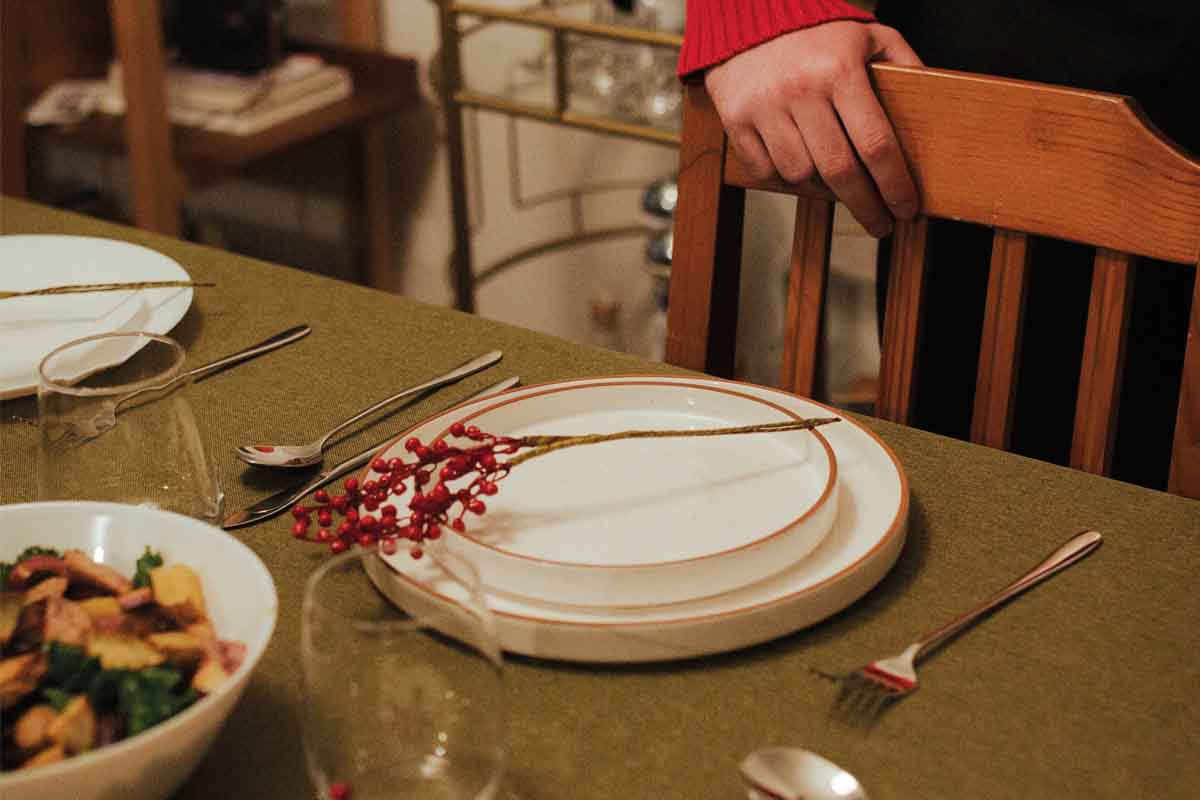
Some ways to do this are to decorate the holiday table with attractive plates, utensils, and glassware; remove electronic devices from the dining area; and light candles that elicit a calming aroma.
Choice of beverage can also be a stressor for some. If alcoholic beverages are not your thing, swapping cocktails for mocktails is a way to enjoy a fun and exciting drink with guests without feeling left out.
Advertisement
Choose joy over perfection
Something many struggle with is the worry that the holidays will interrupt well-established wellness routines. But it’s important to remember that having balance and savouring the season’s joyful moments is actually healthy for the nervous system.
Being preoccupied and hypervigilant about maintaining a perfect wellness routine can lead to fight-or-flight mode, which may garner even more negative health consequences.
Try to remember to give yourself grace and look for the beauty in maintaining balance. There are plenty of potential stressors during the holiday season, but you can take those head on by arming yourself with some of the many ways to reduce that holiday stress, including enjoying the season mindfully.
Digest this
Holiday feasts bring a wide array of foods and flavours that the digestive system may not be used to. Consider adding some gut-supportive supplements this holiday season.
Herbs
Herbs such as ginger and peppermint can be helpful in reducing bloating and nausea.
Fibre
If your bowels are backed up, increasing dietary fibre (a rich source of prebiotics) or incorporating psyllium husk or magnesium citrate into your supplement routine can help move things along again.
Probiotics
Supplements that contain certain species of probiotics such as Lactobacillus and Bifidobacteria can also help support gut motility and the gut microbiome through the holidays.
Digestive enzymes
For larger and heavier meals, consider taking a digestive enzyme supplement prior to eating to help support the breakdown of food, which can help with post-meal bloating.
Greens powders
While they aren’t a replacement for dietary vegetable intake, greens powders can temporarily fill a nutrient gap if holiday feasts are low in veggies.
This article was originally published in the December 2025 issue of alive magazine.