

Advertisement
Create a Home Toolkit for Cold-Weather Health and Wellness
Diet, lifestyle, and supplements for de-stressing and staying positive

Fact-Checked
This article has been written and fact-checked by experts in the field.
Advertisement
Lifestyle and winter wellness
The lack of sunlight in winter can create low mood. Daily stress, compounded by the anxiety and insomnia that comes with low mood, means the body is less effective at fighting viruses such as those that cause colds and flu.
“Exercise is the best way to maintain immunity,” says Tzu-Chun Lin, a traditional Chinese medicine practitioner in Vancouver. “Take warm food and avoid cold or raw food. Wear socks and use scarves to protect the neck and throat; it’s very important for respiratory health. Using a heating pad behind the neck for 15 minutes before bed can improve sleep quality.”
Home apothecary 101
Buy
You can buy medicinal herbs online or in natural health stores, but ask (or read) about their sustainability practices, including where their suppliers source the plants. Many stores have better prices for bulk purchases, which is great for stocking up.
Grow
You can grow medicinal plants at home. Buy seeds by the envelope or order a growing kit online. Avoid invasive plants and research care and feeding. Planting your own allows you to plant once and harvest repeatedly.
Forage
Make sure you pick no more than 5 percent of the species in one area. Consult an expert to learn what parts of the plant are safe, how to prepare it, and how much can be safely ingested. There are restrictions on national historic sites that could result in fines, and many First Nations are banning unauthorized harvesting on their traditional territories, so check before you go. Glyphosate from forestry activities can remain in plant tissues for a decade or more, so before you pick, check with local experts about herbicide (and pesticide) contamination.
Advertisement
Ancient medicines
Essential oils have been used for centuries to de-stress and relieve anxiety, but they also have antiviral properties that battle influenza. The essential oils of thyme and peppermint are effective anti-inflammatories against respiratory tract infections, and oil of oregano acts as an antimicrobial in lung tissue. Essential oils are extremely concentrated, so inhale them or dilute in a bath (and avoid using them on children under six).
Wild cherry bark is an expectorant and anti-inflammatory used by the Mohegan and Cherokee to treat sore throats and bronchitis. Wild cherry bark can be used as a cold infusion, decoction, tincture, or syrup.
Elderberry options
Elderberry fruit and flowers are used to treat colds, flu, fever, coughs, and nasal congestion. Research shows that elderberry fights inflammation, exhibits antimicrobial activity against influenza, and contains essential oils that help strengthen the immune system to prevent illness.
Elderberry comes in syrups, gummies, drops, and lozenges. Syrup usually has fewer added ingredients, but the taste is stronger, so add it to drinks if you’re sensitive. Many elderberry syrups contain other immune-supporting ingredients like echinacea, vitamin C, and zinc.
Advertisement
Traditional knowledge
Advertisement
Rosehips
First Nations peoples across Canada use rosehips to reduce the incidence of cold and the number of symptoms. Use 1 to 2 tsp (5 to 10 mL) of dried rosehips, infuse into 1 cup (250 ml) of boiled water for 10 to 15 minutes, and add honey, if desired.
Advertisement
Cedar leaves
These leaves, which have anti-inflammatory and antibacterial properties, are used for coughs and congestion. Simmer a handful of fresh cedar leaves in 4 cups (1 L) of water for 15 minutes, then sweeten, to taste.
Advertisement
Sage
Indigenous peoples use sage as an antiviral. Simmer sage in water, let it cool, and gargle to treat laryngitis and tonsillitis.
Advertisement
Yarrow
This traditional medicinal is thought to heal colds and flu by clearing mucus and soothing pain and inflammation. Buy it loose or as a tincture, and make it into tea.
Advertisement
Recognizing and managing stress
Stress, anxiety, and low mood are not unalterable states of being. We can recognize stressors and manage our response to them. Creating a winter toolkit and home apothecary is an effective, affordable way to maintain positive mood, recover from colds and flu, and support the immune system.
Winter apothecary checklist
Must-haves
Nice-to-haves
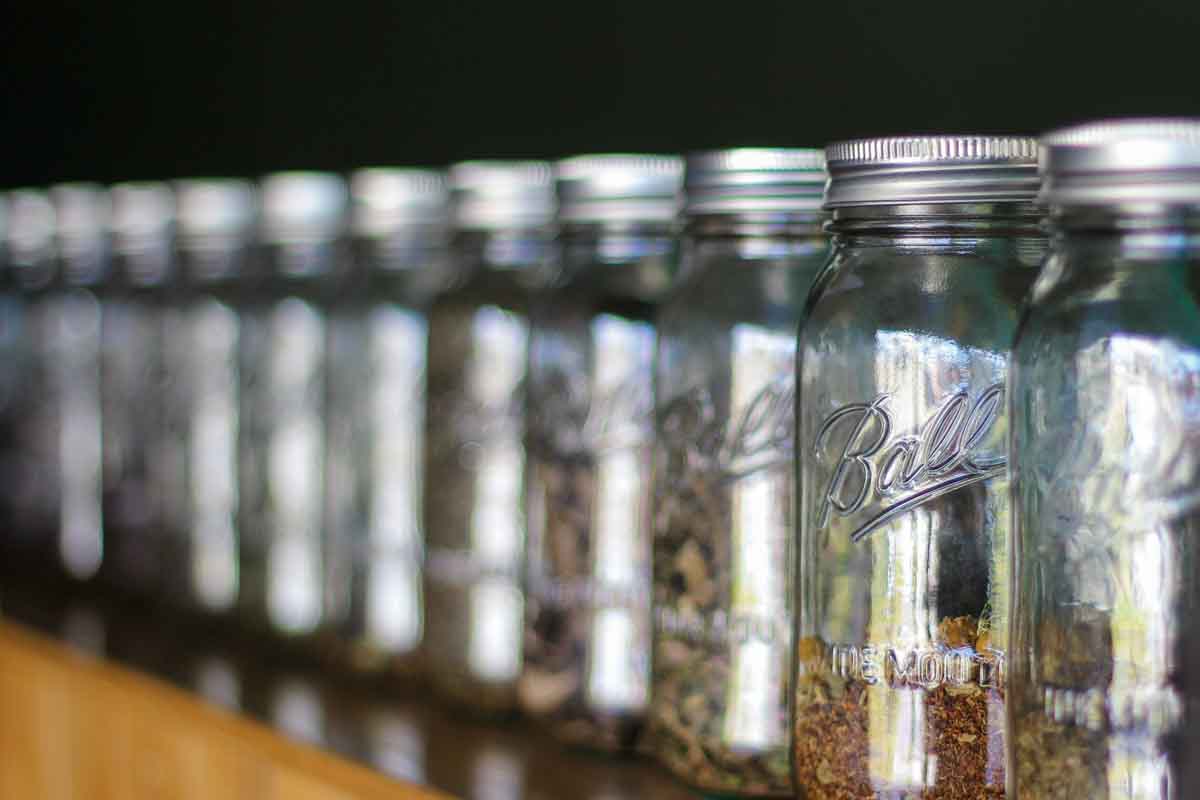
Place all plant medicines in glass jars, label with the date, and store in a dry place.
Homemade fire cider
Fire cider includes turmeric (an anti-inflammatory, antimicrobial, and antiviral that also may help treat depression), horseradish (an expectorant that may help reduce coughing and chest pain associated with bronchitis), and ginger (used to treat cough, sore throat, influenza and the common cold). Take 1 Tbsp (15 mL) daily as a preventive tonic or by 1 tsp (5 mL) doses throughout the day when you have symptoms.
Ingredients
- 1/2 cup (125 mL) grated gingerroot
- 1/2 cup (125 mL) grated horseradish root
- 1 medium onion, chopped
- 10 cloves garlic, chopped
- 2 jalapenos, chopped with seeds
- 1 lemon, sliced into rounds
- 2 Tbsp (30 mL) rosemary (fresh or dried)
- 1 Tbsp (15 mL) turmeric powder, or 2 Tbsp (30 mL) chopped turmeric root
- 1/4 tsp (1 mL) cayenne pepper
- 1 tsp (5 mL) whole black peppercorns
- 2 Tbsp (30 mL) chopped fresh thyme or oregano, or 1 tsp (5 mL) dried, optional
- 1/4 cup (60 mL) rosehips or nettle, optional
- 4 cups (1 L) apple cider vinegar
- Honey or maple syrup, to taste
Directions
- In 1 L glass canning jar, combine all solid ingredients, including optional herbs, if using. Add apple cider vinegar until ingredients are fully covered by at least 1 inch (2.5 mL) of liquid. Use parchment paper under lid to keep vinegar from touching metal, or use a reusable non-metallic lid. Seal jar and shake.
- Store in a dark, cool place for 4 weeks, shaking jar for a few seconds every day.
- After 4 weeks, strain mixture through a mesh strainer, using a wooden spoon to squeeze out as much liquid as possible. Discard solids. Add honey, to taste, and stir until combined. The mixture should be a combination of hot, spicy, and sweet.
- Pour strained liquid into clean glass jar, label jar with date, and store in refrigerator. Use within 1 year.