
Advertisement
Get the Facts on Fibermaxxing
Answering your most common fiber questions

Fact-Checked
This article has been written and fact-checked by experts in the field.

Move over, protein—there’s a hot new nutrition trend sweeping social media. It’s called fibermaxxing, and it’s all about maximizing your fiber intake. Let’s break down what fibermaxxing is, the benefits, and the potential risks to keep in mind.
Advertisement
What is fibermaxxing?
A viral TikTok trend, fibermaxxing is about eating plenty of fiber with your meals and snacks. Influencers show off big salads, chia seed puddings, or fiber-fortified smoothies. They promise better digestion, less bloating, and more energy. Some influencers aim simply to meet recommended daily amounts, while others push far beyond—chasing 50, 80, or even 100 g a day—but what does the science say about maximizing fiber intake?
Advertisement
What are the benefits of high fiber intake?
Fiber plays a vital role in many aspects of our health. Research shows that adequate fiber intake has many benefits:
- It supports digestion by promoting regular bowel movements, reducing constipation, and over time lowering the risk of colon cancer.
- It balances blood sugar by slowing down the absorption of glucose, which can reduce the risk of type 2 diabetes.
- It lowers cholesterol and helps reduce risk of heart disease.
- It feeds healthy gut bacteria, thereby supporting a diverse gut microbiome, leading to better immune function, metabolism, and mental health.
- It provides bulk to food, so it takes your body longer to break food down and helps keep you full and satisfied between meals.
Advertisement
How much fiber should you get per day?
According to Canada’s Dietary Reference Intakes, most women need 25 g of fiber per day and most men need 38 g of fiber per day. The majority of Canadians are only getting about half that much—with women eating an average of 16 g per day and men eating an average of 18 g per day. This could be because our diets tend to be high in processed foods that crowd out naturally fiber-rich whole foods.
Advertisement
What type of fiber is best?
There are two types of fiber, and they each work a bit differently. Soluble fiber (found in oats, chia seeds, apples, and beans) dissolves in water and forms a sticky, gummy, gel-like substance in the gut. It’s beneficial for heart health because it absorbs cholesterol and excretes it as waste, and it helps regulate blood sugar. Insoluble fiber (found in whole grains, nuts, and vegetables) adds bulk to stool and keeps digestion moving along.
Both types are beneficial, and a varied diet will provide a balance of the two.
Advertisement
How should you increase fiber safely?
The key word here is gradual. Start by assessing your current fiber status. Next, ask yourself how you can slowly start to add more fiber into your diet. While a high-fiber diet is healthy, it’s possible to overdo it. Adding too much fiber too quickly can lead to gas, bloating, abdominal pain, and, ironically, constipation. Add one or two servings a day or make simple swaps, like choosing whole grain bread instead of white. Slowly build on this by adding in more fiber-rich foods over time.
And water is essential as you up your fiber. Fiber absorbs fluid in the gut, and without enough water in your system, it can lead to constipation.
Advertisement
What are some practical ways to increase fiber?
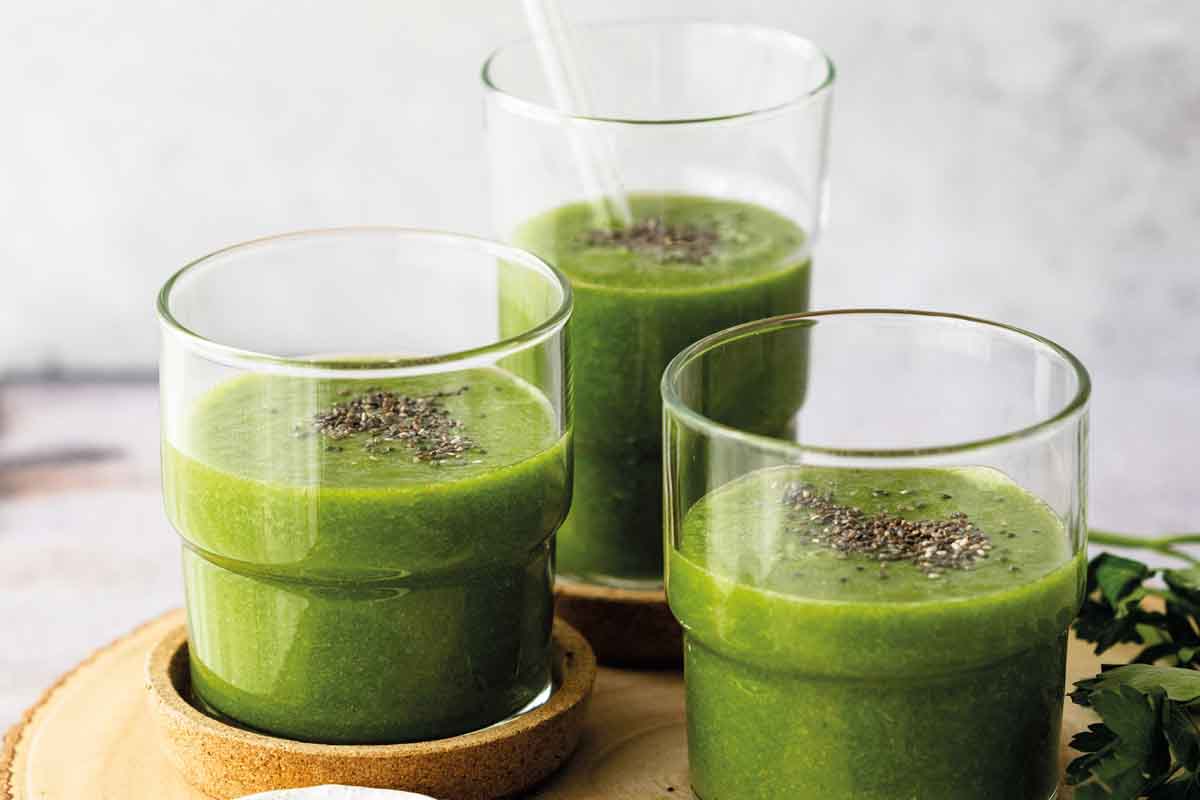
- Aim for at least one fruit or vegetable at every meal, and most snacks, with skins on whenever possible. Get creative—add spinach and cucumber to your smoothie, grated carrot to muffins or oatmeal at breakfast, and grated zucchini or frozen cauliflower “rice” to pasta sauce.
- Choose whole grains like barley, quinoa, farro, and oats.
- Add beans or lentils to soups, stews, salads, taco meat, or pasta sauce.
- Sprinkle chia seeds, flax, or pumpkin seeds onto yogurt, oatmeal, or smoothies.
- Snack on roasted chickpeas, nuts, seed cakes, popcorn, edamame, or veggies with hummus.
Advertisement
Are fiber supplements okay?
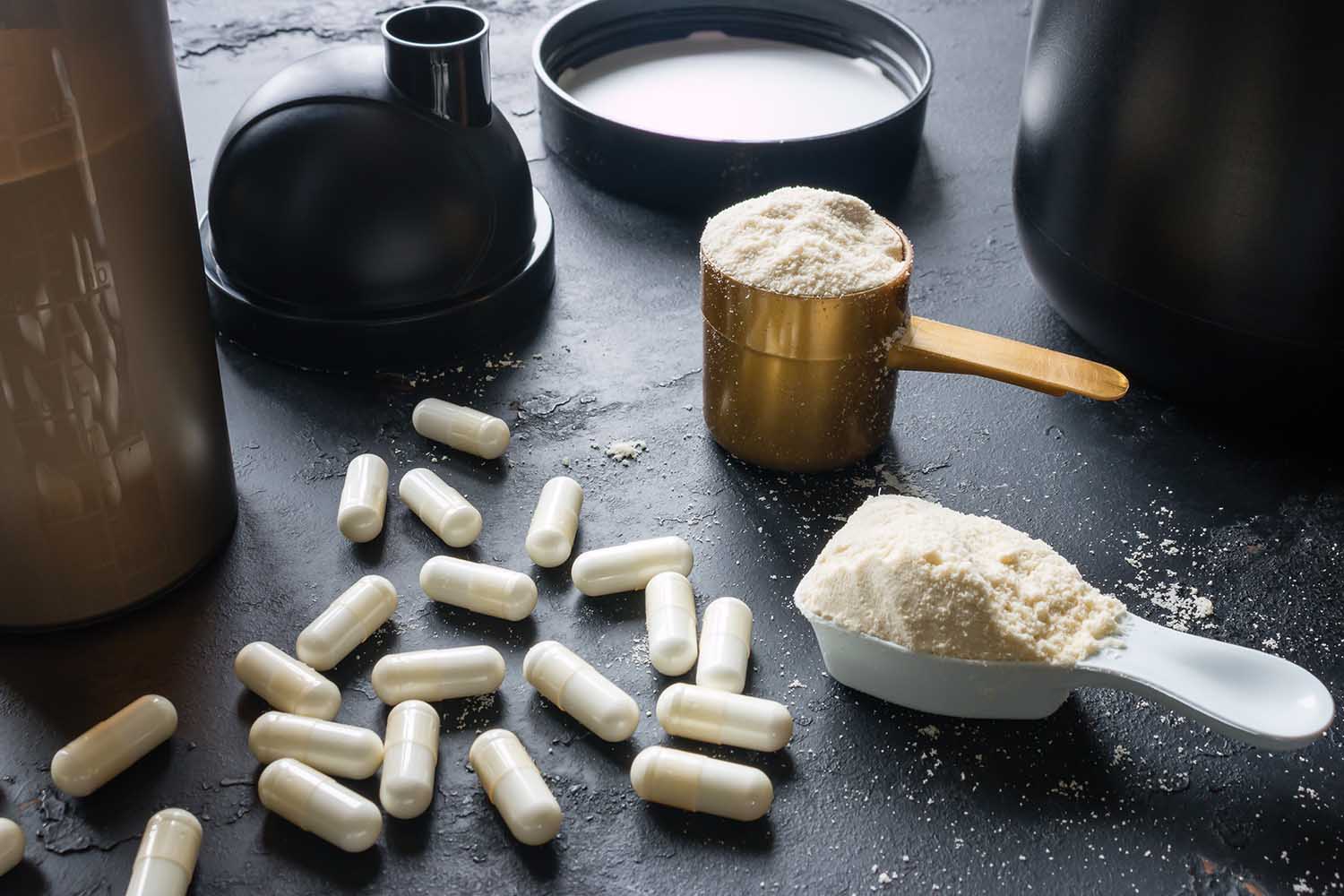
If you’re finding it hard to get adequate fiber, inulin fiber and psyllium husk supplements are both good options.
Advertisement
Should I be fibermaxxing?
If fibermaxxing videos have inspired you to eat more fiber, that’s great! But remember, nutrition doesn’t work by isolating one nutrient and chasing it at all costs. Fiber is important, but so are carbs, fats, and proteins, as well as overall balance and pleasure from our food. Find a way to get a healthy amount of fiber that makes you—and your digestive and cardiovascular systems—happy.